


The Impact of Color Choice in Your Design
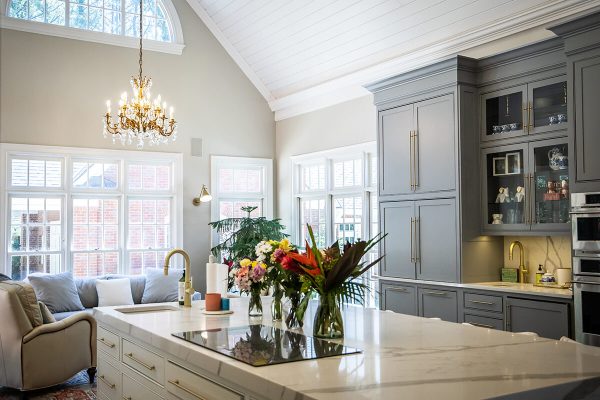 Color plays a crucial role in design, influencing not just the aesthetics of a space but also the mood and functionality. Whether you are renovating your home or designing a new one, understanding the impact of color choice can help you create an environment that reflects your personality and enhances your lifestyle. At Island Homes & Renovations, we believe that color can transform a home into a true reflection of its owner. In this blog post, we’ll explore the significance of color in design decisions, how color affects mood and space, and tips for choosing the right colors for your home.
Understanding the Power of Color
Color is more than just a visual element; it has the power to influence emotions, perceptions, and even the functionality of a space. When it comes to design, whether for your home, office, or any environment, the colors you choose can significantly shape the overall experience.
1. Emotional Influence
Colors evoke feelings and can set the tone for a space. For example:
- Warm colors (reds, oranges, yellows) can create an inviting and energetic atmosphere, ideal for social spaces like living rooms and dining areas.
- Cool colors (blues, greens, purples) tend to promote calmness and relaxation, making them perfect for bedrooms and bathrooms.
2. Space Perception
The right color can alter how we perceive space:
- Light colors can make a room feel larger and more open, which is beneficial in small areas.
- Dark colors can add depth and coziness but may make a space feel smaller if overused.
3. Cohesiveness and Aesthetic
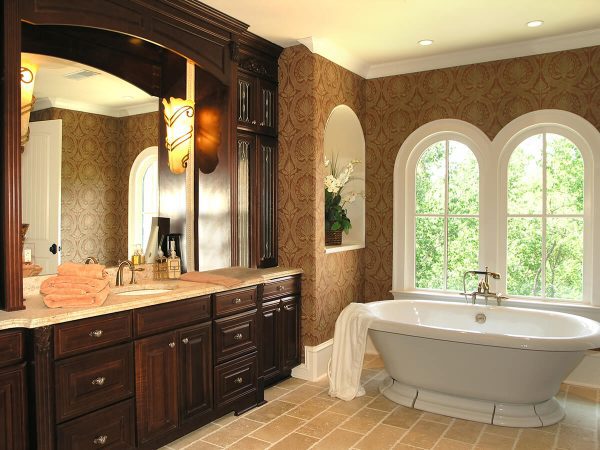 A well-chosen color palette can unify different design elements:
- Using a consistent color scheme throughout your home creates harmony and flow.
- Complementary colors can highlight features, create contrast, and enhance architectural details.
4. Cultural and Personal Significance
Colors often carry cultural meanings and personal associations. Understanding these can help you choose hues that resonate with you and reflect your personality. For instance:
- Red might symbolize luck in some cultures, while it may signify passion in others.
- Choosing colors that align with your values or experiences can add depth to your design.
5. Functionality
Certain colors can influence functionality:
- Bright colors can enhance focus and creativity in workspaces, while softer tones may help with relaxation.
- In kitchens, bright, cheerful colors can stimulate appetite, while muted tones can create a calming cooking environment.
Interested in a Custom Home Design? Call Today: (772) 365-4877
The Importance of Color in Design Decisions
Color is one of the most powerful tools in a designer’s arsenal. It can evoke emotions, set the tone of a room, and even alter perceptions of space. For example, warm colors like reds and yellows can create a cozy and inviting atmosphere, making them ideal for social areas like living rooms and dining rooms. On the other hand, cool colors like blues and greens promote tranquility and relaxation, making them suitable for bedrooms and bathrooms.
Choosing the right color can significantly impact your overall design. It can tie together various elements in a room and create a cohesive look. Additionally, colors can highlight architectural features, draw attention to artwork, or create focal points within a space. By understanding the importance of color in design decisions, you can make informed choices that align with your vision.
How Color Affects Mood and Space
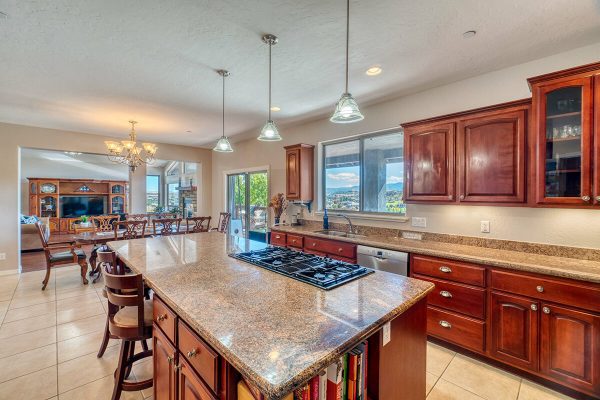 The colors you choose for your home can greatly influence how you and your guests feel in a particular space. This phenomenon, known as color psychology, suggests that different colors can evoke specific emotional responses. Here are a few ways color affects mood:
- Warm Colors: Shades like red, orange, and yellow are known for their energizing properties. They can stimulate conversation and creativity, making them perfect for active spaces such as kitchens and playrooms. However, too much of these colors can lead to feelings of agitation, so it’s essential to balance them with neutral or cool tones.
- Cool Colors: Colors like blue, green, and purple are often associated with calmness and serenity. These hues can create a soothing environment, ideal for bedrooms or meditation spaces. Using lighter shades can make a room feel more spacious, while darker shades can add depth and richness.
- Neutrals: White, gray, and beige are versatile colors that can create a clean, timeless look. They serve as a perfect backdrop for more vibrant accents and can help make a space feel open and airy. However, relying solely on neutrals can make a room feel bland, so it’s essential to add pops of color through furnishings or décor.
Tips for Choosing the Right Colors
When selecting colors for your design, consider the following tips:
- Assess Your Space: Evaluate the size, natural light, and purpose of each room. Lighter colors can make a small space feel larger, while darker colors can create intimacy.
- Consider the Flow: Ensure that the color palette flows seamlessly from one room to another. This creates a sense of continuity throughout your home.
- Test Samples: Before committing to a color, test samples on your walls. Observe how the color changes throughout the day with different lighting conditions.
- Balance with Accents: Don’t be afraid to incorporate bold colors as accents. This can add personality and character to your space without overwhelming it.
Call Today for more info on a Custom Home Design: (772) 365-4877
Unleash Color’s Power in Your Home Design!
The impact of color choice in design cannot be overstated. By understanding the importance of color in design decisions and how it affects mood and space, you can create a home that is not only beautiful but also reflects your unique style and enhances your overall well-being.
If you’re ready to explore the transformative power of color in your home design, contact Island Homes & Renovations today. Our team of experts is here to guide you through the design process and help you choose the perfect colors to bring your vision to life.